It can, when the heater is electric. A failing unit may run its elements far longer than it should, or heat water that keeps escaping through a leak, and the cost shows up on the electric bill. A gas heater uses gas, so a gas fault shows on the gas bill instead, with only small electric draws for controls. Check the label on the heater first. The wider service picture is on the water heater service overview.
Which type of water heater do I have, and why does it change the answer?
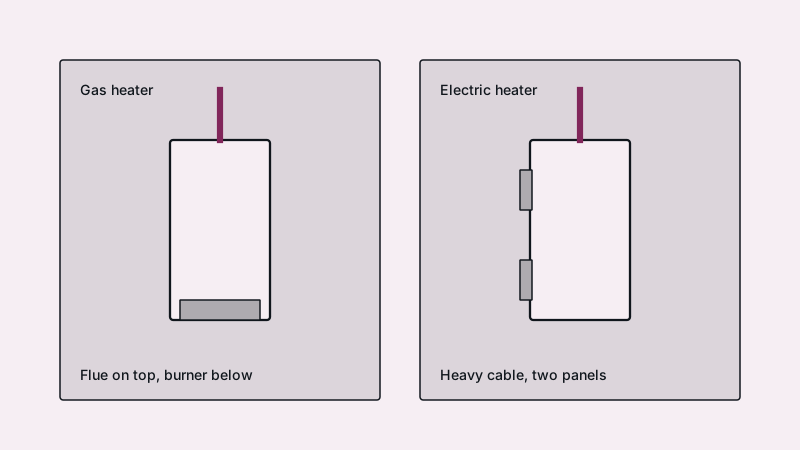
A gas unit shows a supply pipe and a flue on top; an electric one shows a thick cable and metal access panels. Gas heaters hold a burner underneath and vent upward. Electric tank units have two screwed-on panels on the side with heating elements behind them. A bill spike from a heater points to an electric unit or a heat pump model.
DOE sources give water heating roughly 13 to 20 percent of household energy depending on the source, so a heater that misbehaves has plenty of room to move your bill. Heat pump water heaters work differently and, per DOE, can be two to three times as efficient as a plain electric tank, though a fault in one is just as costly. Know your model before you start troubleshooting.
Could sediment in the tank be the cause?
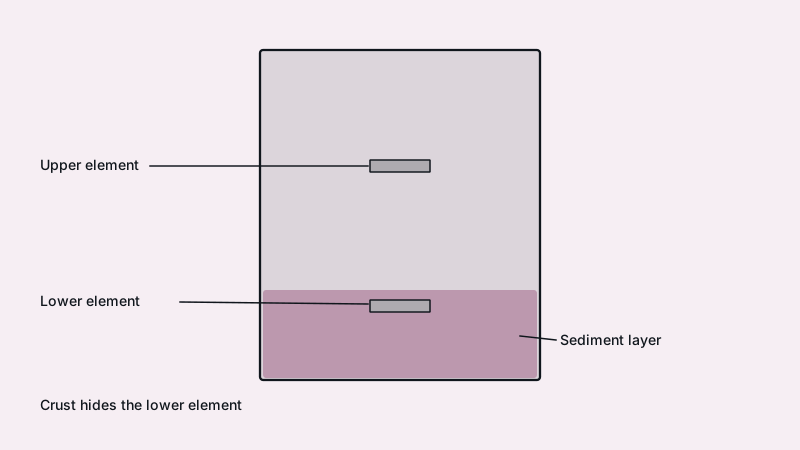
Yes. Minerals drift to the floor of the tank, right where an electric heater's lower element sits. The crust wraps the element and keeps heat from reaching the water, so the heater cycles more for less hot water. Rumbling or popping is the audible clue.
Moulton Niguel Water District's 2023 report lists hardness of roughly 9 to 18 grains per gallon by source, so much of south Orange County has minerals that build up. Flushing the tank can help in some cases, though a badly crusted older tank may be finished anyway, given that DOE allows storage heaters a decade to 15 years. Compare the tank's age with the repair quote in replacement cost.
Can a thermostat or heating element fault run up the bill?
Yes. A thermostat that sticks on keeps the element live, which burns power and can overheat the water, and a worn or shorted element can pull current while heating poorly. Watch for scalding water, short showers, a tripping breaker, or a bill that leaps without any change in habits.
Electric heaters usually have two elements, upper and lower, each with its own thermostat. If one fails the other carries on, so the first symptom is usually showers that go cold early. Replacing an element or thermostat is a plumber or electrician job when the cause is unclear, since the unit is wired to a dedicated circuit. See heating element replacement. Turn the breaker off before opening any panel.
Does a hot water leak raise the electric bill too?
It can. Every gallon that escapes from a hot line has already been heated, and the tank heats replacement water. A dripping hot faucet, a weeping relief valve or a pinhole in a hot line adds water charges plus electric cost. EPA WaterSense counts over 9,300 gallons of waste per household each year from leaks that are easy to fix.
Check for drips at faucets, a wet floor around the tank, and water running from the relief valve's discharge pipe. Fix leaks at taps first. If the relief valve leaks or discharges, it is telling you about pressure or temperature trouble, and that is a plumber job. The quick meter test, with all taps closed and the meter watched for movement, finds hidden leaks on the cold or hot side.
Is the heater simply set too high or running all day?
Sometimes nothing is broken. A high thermostat setting, an uninsulated tank in a cold garage, or a recirculation pump with no timer keeps the heater working all day. These raise the bill without any fault. Lowering the setting, adding insulation where the manufacturer allows, and putting a timer on a pump can help.
Most households can set the tank near 120 degrees F, the setting DOE recommends, and hotter water raises standby loss through the tank shell. Check the manual for the manufacturer's recommended setting. Replacement is another route: a heat pump unit may cost less to run, and current rebates are worth asking about. Local price figures are in replacement cost.
How do I prove the heater, not something else, caused the jump?
Put this month's bill beside last year's, then list what else changed: weather, houseguests, a new appliance. After that, run a simple test. If the heater is electric, turn its breaker off for a day and watch your meter or usage app. If usage drops a lot, the heater was a major part of the spike.
If the heater is guilty, the elements, thermostats and tank are what get checked. Write up the symptoms on the price request page and the plumber who visits will quote in writing. The Capistrano Plumbing home page walks through how that goes.
Common questions
Can a gas water heater raise my electric bill?
Barely. Gas units use electricity for controls and sometimes a fan or ignition, which is small. If your electric bill is up and the heater is gas, look at other loads first: air conditioning, a pool pump, a second refrigerator. A gas heater with a fault shows on the gas bill.
How much extra can a bad heater cost?
No single number applies; it turns on the fault, your rate plan and the time it has run. A stuck thermostat or a heavily scaled element can add noticeably each month. Compare kilowatt-hours before and after, and have the elements tested rather than guessed at.
Should I turn the heater off while I investigate?
You can turn it off to test, at the breaker for electric or the gas control for gas, but a heater that is leaking water should have the cold supply closed as well. Do not leave a tank to drain fully with the power on, since an element can burn out when exposed to air.
Will flushing the tank lower the bill?
It can help if sediment is the problem, because a clean tank heats faster. It will not fix a failed element or a leaking tank, and an old tank can start leaking after being disturbed. If the unit is near 10 to 15 years old, ask whether repair or replacement makes more sense.
When is replacement better than repair?
Once the tank leaks, once the unit is beyond roughly 12 years and wants an expensive part, or once repeat repairs pile up. A new unit with better efficiency can lower running cost. Get a repair quote and a replacement quote side by side, and insist each one itemizes parts, labor and permit.
Sources
Updated